




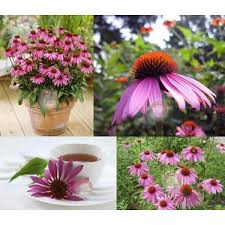
Echinacea (Echinacea purpurea) is a well-known medicinal herb native to North America. It has been widely used in traditional and modern herbal medicine, primarily to support immune health and fight infections. The entire plant—roots, leaves, and flowers—contains beneficial compounds such as antioxidants, flavonoids, and polysaccharides.
Top Benefits of Echinacea (Echinacea purpurea)
-
Strengthens the Immune System
Echinacea is most famous for boosting immunity and helping the body resist colds, flu, and infections. -
Reduces Inflammation
The anti-inflammatory properties may help relieve pain, swelling, and conditions like arthritis. -
Fights Respiratory Infections
Often used to shorten the duration and severity of upper respiratory infections and sore throats. -
Supports Skin Health
Echinacea can be used topically to help with acne, eczema, and minor wounds due to its antimicrobial properties. -
Acts as a Natural Antioxidant
Helps neutralize free radicals and supports cellular health.
How to Prepare Echinacea at Home
Echinacea Tea
-
Use 1–2 teaspoons of dried Echinacea root, leaf, or flower per cup of water
-
Boil water, pour over the herb, and steep for 10–15 minutes
-
Strain and drink up to 2–3 times daily when feeling unwell
Echinacea Tincture
-
Combine chopped fresh or dried Echinacea root with high-proof alcohol (vodka or brandy) in a jar
-
Let it sit for 4–6 weeks in a dark place, shaking occasionally
-
Strain and store in a dropper bottle; use as directed
Echinacea Capsules or Extract
-
Widely available as supplements; follow recommended dosages on the label
Topical Use
-
You can infuse Echinacea in oil or create salves for skin applications
# Echinacea plant
# Echinacea purpurea
# vImmune boosting herbs
# Herbal cold remedy
# Natural antibiotics
# Medicinal plants
# Anti-inflammatory herbs
# Herbal tea benefits
# Traditional herbal medicine
#Echinacea uses


