




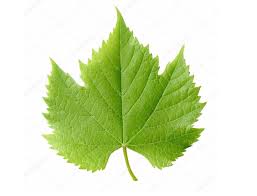
Vine Leaf, commonly known as the leaf of the grapevine (Vitis vinifera), is widely appreciated in Mediterranean cuisine and traditional herbal medicine. Rich in antioxidants, flavonoids, and anti-inflammatory compounds, vine leaves are not only a culinary delight but also a powerful herbal remedy. One lesser-known use of vine leaves is as a nutritious and soothing herbal tea.
🌿 Health Benefits of Vine Leaf
-
Supports Vein and Circulatory Health
Vine leaf contains flavonoids that help strengthen blood vessels and improve venous circulation, making it useful for treating varicose veins and chronic venous insufficiency. -
Anti-Inflammatory Properties
Its rich antioxidant content may help reduce inflammation throughout the body, especially in the joints and digestive tract. -
Rich in Antioxidants
Vine leaves are high in resveratrol, quercetin, and vitamin C, which protect the body from free radicals and oxidative stress. -
Aids Digestion
Traditionally used to promote digestive health, vine leaf tea can help relieve bloating, constipation, and indigestion. -
Supports Skin and Immune Health
The nutrients in vine leaves may help support collagen production, boost the immune system, and improve skin elasticity.
🍵 How to Make Vine Leaf Tea
Ingredients:
-
5–6 fresh or dried grapevine leaves (preferably organic)
-
1 cup boiling water
-
Optional: lemon juice or honey for flavor
Instructions:
-
Wash the vine leaves thoroughly.
-
Chop roughly and place them in a teacup or teapot.
-
Pour boiling water over the leaves.
-
Cover and steep for 10–15 minutes.
-
Strain and enjoy warm.
Note: Do not consume vine leaves from plants sprayed with pesticides. Pregnant or nursing individuals should consult a doctor before use.
#VineLeaf
#VitisVinifera
#HerbalTea
#NaturalRemedies
#CirculationSu
#DigestiveHealth
#Antioxidants
#Resveratrol
#AntiInflammatory
#HealthyLiving


