


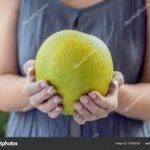

What Is St. John’s Wort? St. John’s Wort is a flowering herb scientifically known as Hypericum perforatum. It has been used for centuries as a natural remedy for mild to moderate depression, anxiety, and mood disorders. It’s also known for its anti-inflammatory and wound-healing properties. The most popular form of consumption is tea made from […]
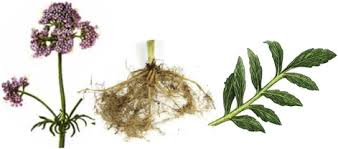
🌿 Valerian Root (Valeriana officinalis): Benefits and How to Make Tea
What Is Valerian Root? Valerian root, derived from the Valeriana officinalis plant, has been used for centuries as a natural remedy for sleep disorders, anxiety, and nervous tension. Native to Europe and Asia, valerian is most commonly consumed as tea or in supplement form to promote calmness and relaxation. ✅ Health Benefits of Valerian Root […]
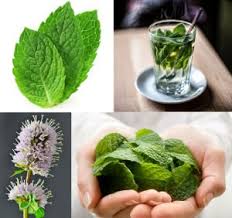
🌿 Peppermint (Mentha piperita): Benefits and How to Make Tea
What Is Peppermint? Peppermint, scientifically known as Mentha piperita, is a hybrid plant between watermint and spearmint. It has been used for centuries in traditional medicine thanks to its refreshing taste and powerful therapeutic properties. Most often consumed as a tea, peppermint is well known for aiding digestion, soothing headaches, and relieving congestion. ✅ Health […]
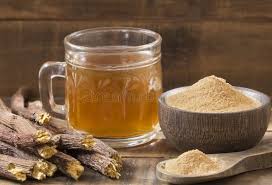
🌿 Licorice Root (Glycyrrhiza glabra): Benefits and How to Make Tea
What Is Licorice Root? Licorice root, from the Glycyrrhiza glabra plant, has been used for centuries in traditional medicine, especially in Ayurveda and Traditional Chinese Medicine. Known for its naturally sweet flavor and powerful medicinal properties, licorice root is commonly used to soothe the digestive system, support respiratory health, and reduce inflammation. ✅ Health Benefits […]
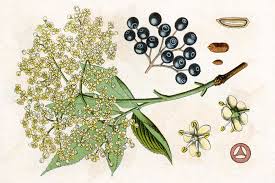
🌿 Elderberry (Sambucus nigra): Benefits and How to Make Tea
What Is Elderberry? Elderberry, derived from the Sambucus nigra plant, is a dark purple berry traditionally used in herbal medicine to boost the immune system and fight colds and flu. Packed with antioxidants and vitamins, elderberries are most commonly consumed in syrups, gummies, and teas. ✅ Health Benefits of Elderberry Boosts Immune SystemRich in vitamin […]
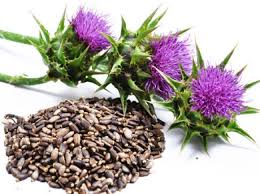
🌿 Milk Thistle (Silybum marianum): Benefits and How to Make Tea
What Is Milk Thistle? Milk Thistle, scientifically known as Silybum marianum, is a flowering herb native to the Mediterranean region. It has been used for over 2,000 years, primarily for liver support and detoxification. The active compound in milk thistle, silymarin, is a powerful antioxidant known for its regenerative effects on liver cells. ✅ Health […]
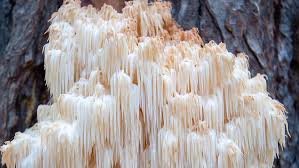
🍄 Lion’s Mane Mushroom (Hericium erinaceus): Benefits and How to Make Tea
What Is Lion’s Mane Mushroom? Lion’s Mane mushroom, known scientifically as Hericium erinaceus, is a unique, white, shaggy fungus that resembles a lion’s mane as it grows. Traditionally used in Chinese and Japanese medicine, this medicinal mushroom has gained popularity for its brain-boosting, nerve-regenerating, and immune-supporting effects. It’s often consumed as tea, powder, or supplement. […]
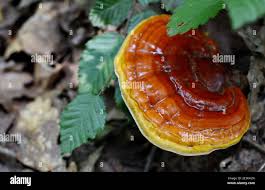
🍄 Reishi Mushroom (Ganoderma lucidum): Benefits and How to Make Tea
Reishi Mantarı Nedir? Bilimsel olarak Ganoderma lucidum olarak bilinen Reishi mantarı , geleneksel Çin tıbbında uzun süredir kullanılan tıbbi bir mantardır. “Ölümsüzlük Mantarı” olarak bilinen reishi, bağışıklık sistemini güçlendirici, yaşlanma karşıtı ve stres azaltıcı özellikleri nedeniyle değerlidir. Genellikle genel sağlık ve uzun ömürlülüğü desteklemek için toz, kapsül veya çay formunda tüketilir. ✅ Reishi Mantarının Sağlık […]
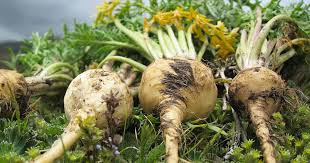
🌿 Maca Root (Lepidium meyenii): Benefits and How to Make Tea
What Is Maca Root? Maca root, scientifically known as Lepidium meyenii, is a plant native to the high Andes of Peru. Often referred to as “Peruvian Ginseng”, maca has been used for centuries for its adaptogenic and nutritional properties. It’s commonly consumed in powder or tea form and is gaining popularity worldwide for its energy-boosting […]
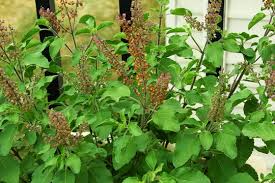
🌿 Holy Basil (Ocimum sanctum, Tulsi): Benefits and How to Make Tea
What Is Holy Basil (Tulsi)? Holy Basil, also known as Tulsi in Ayurveda, is a sacred herb native to India. Scientifically named Ocimum sanctum, this aromatic plant has been revered for centuries for its powerful adaptogenic and healing properties. Tulsi is commonly consumed as tea and is widely used in holistic and traditional medicine practices […]